
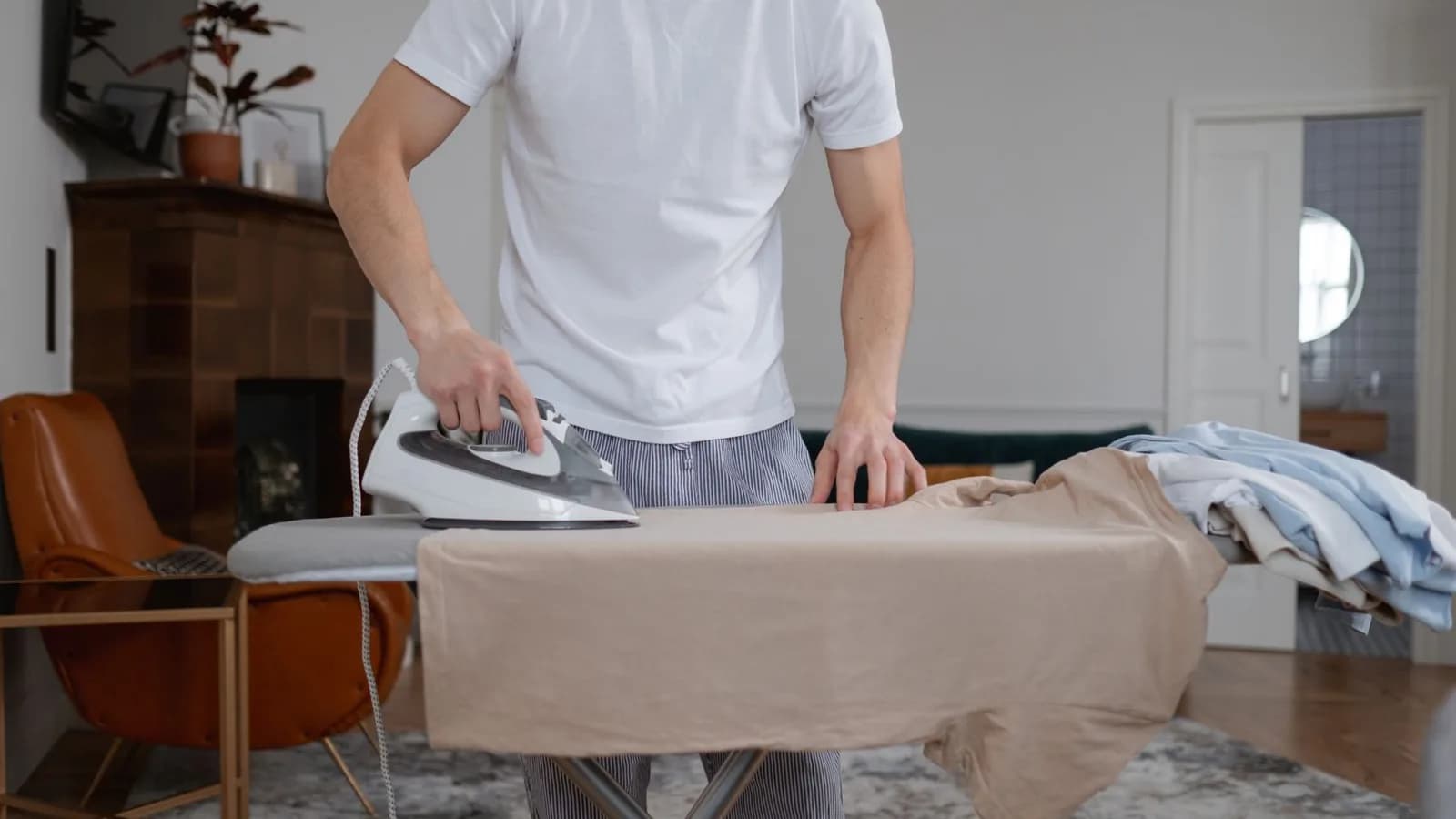
School Uniform Laundry and Care: A Parent's Guide
School uniform laundry guide for Cardiff parents: wash frequency, right temperatures, stain removal and when a professional service wash saves the day.
Share this article
Key takeaways
- Polo shirts and PE kit should go in the machine after every wear; jumpers and blazers need washing far less often.
- Wash most school uniform at 30 to 40 degrees C; the care label is the final authority on temperature.
- Act on stains quickly before they set: blot first, pre-treat, then machine wash at the correct temperature.
- Dark trousers and skirts last longer when turned inside out and washed on a cool 30 degree cycle.
- A professional service wash in Cardiff handles the whole family pile in one to two working days.
The first week of September is a familiar blur for parents across Cardiff: new uniform labelled and packed, a fresh school bag at the door and the morning routine already running at full pace. That sharp first-day look tends to be the high point, because school uniform laundry quickly becomes a steady background task through the term. Polo shirts collect ink marks, grey trousers pick up grass stains on the sports field and white shirts tend to dull week by week without the right care routine.
Getting school uniform laundry right from the start of term pays off across the year. The correct temperatures protect fabric and prevent shrinkage. Tackling stains promptly before they set turns a potentially ruined garment into one that looks presentable by the next morning. And knowing when a professional laundry service in Cardiff is the better option makes the whole routine far more manageable on the weeks when time is short.
How often should you wash each piece of school uniform?
Not every piece of school uniform needs a machine wash after every wear. Washing too often wears fabric out faster and fades colours; washing too rarely lets stains set and hygiene slip. Matching wash frequency to how a garment is actually worn keeps uniforms presentable without burning through the wardrobe.
| Garment | Wash frequency | Notes |
|---|---|---|
| Polo shirts and T-shirts | After every wear | Worn next to skin; collect sweat, food and ink quickly |
| PE kit and sports shirts | After every use | Damp synthetic fabrics develop odour rapidly if left |
| School trousers and skirts | Every 2 to 3 wears | More often if visibly soiled or after outdoor games |
| School jumpers and cardigans | Every 5 to 7 wears | Outer layer; spot-clean marks and air between washes |
| Blazers | Monthly, or when marked | Dry cleaning recommended; spot-clean between full cleans |
| Fabric PE shoes | When muddy or smelly | Place in a mesh bag for a cool machine wash |
Getting temperatures right for each garment
The care label on every garment is the most reliable guide to wash temperature, and it takes only a few seconds to check before loading the machine. School uniform fabrics range from thick cotton shirts to thin polyester blends and brushed acrylic jumpers, each with different temperature tolerances. The GINETEX care symbol system is the international standard used on British clothing labels and explains what every wash, tumble-dry and dry-clean symbol means.
Cotton polo shirts and school shirts typically wash well at 40 degrees C, warm enough to remove everyday grime without risking shrinkage. PE kit in polyester or nylon usually specifies 30 or 40 degrees C; high temperatures can damage the technical coatings that help fabric wick moisture. Dark grey or navy trousers benefit from a cool 30 degree wash with the item turned inside out, which slows surface fading significantly over a term of regular washing. School jumpers with an acrylic or fine-knit care symbol are best on a 30 degree delicates cycle.
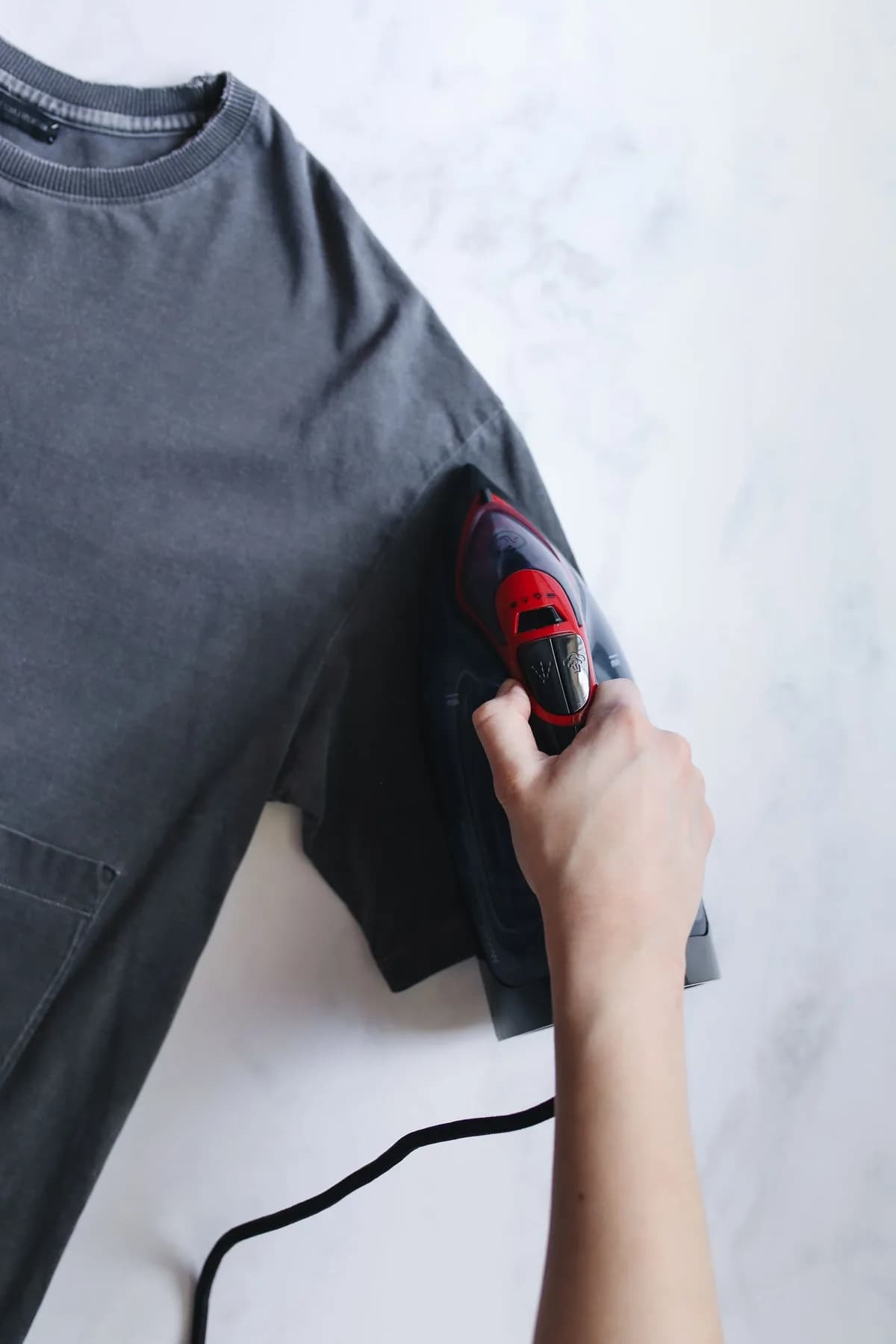
Tackling the most common school uniform stains
School uniform picks up a predictable set of stains: grass on knees, ink from pens, paint from art lessons and food marks from lunchtime. The most important habit is to act quickly. Most stains become harder to remove the longer they stay in the fabric, and some become permanent after a hot wash or a dryer cycle.
- 1
Blot, do not rub
Press a clean cloth gently against a fresh stain to lift the surface liquid or pigment. Rubbing spreads the stain and works it deeper into the fibres, making it significantly harder to remove later.
- 2
Pre-treat before loading
For grass stains, apply washing-up liquid or a laundry pre-treatment product directly to the mark and leave it for five to ten minutes. For ink, dab surgical spirit onto the stain from the inside of the fabric, which pushes the ink out rather than in. For wet paint, rinse with cold water immediately before the paint dries.
- 3
Wash at the correct temperature
Wash at the temperature the care label recommends, not hotter. Heat sets protein stains such as blood and can fix some ink marks permanently into the fabric.
- 4
Check before drying
Before putting anything in the tumble dryer, check the mark has fully gone. Heat from drying fixes a stain that has not fully washed out, making it far harder to remove on a second attempt. If the stain remains, repeat the pre-treat and wash before drying.
Keeping white school shirts bright
Add a scoop of oxygen-based whitener, such as sodium percarbonate, alongside your normal detergent when washing white school shirts. It breaks down the yellowing and grey dulling that builds up over weeks without bleaching the fabric. Avoid chlorine bleach on school uniforms as it weakens fibres over time and may affect embroidered or printed logos.
Caring for blazers and school jumpers
Blazers and school jumpers are the items parents most often under-wash through the term. They look presentable from a distance but collect dry skin cells, deodorant residue and general grime at the collar and cuffs over time. A blazer worn five days a week benefits from professional dry cleaning in Cardiff, or at minimum a careful spot-clean at the collar and cuffs, every few weeks rather than waiting until the half-term break.
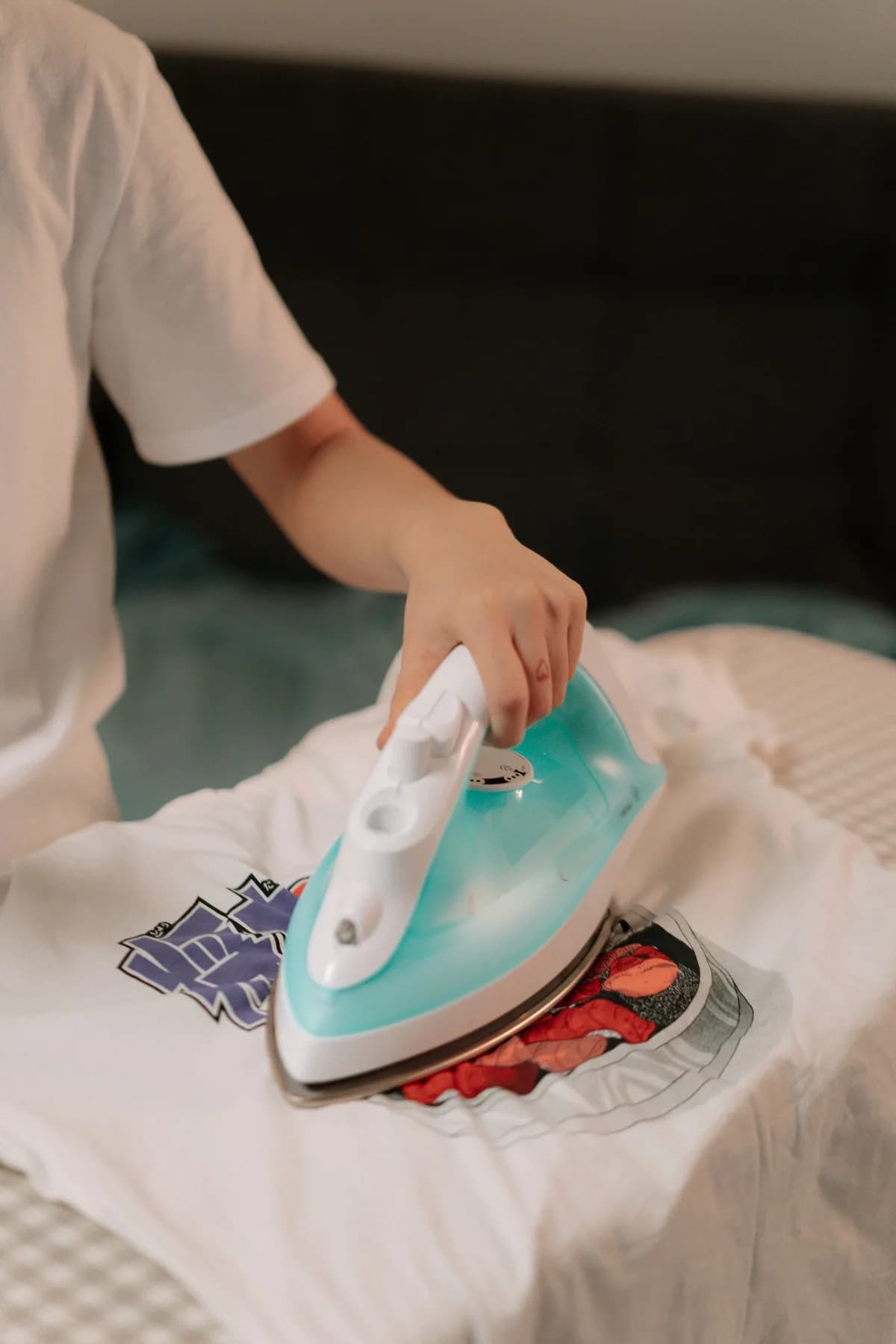
School jumpers marked as machine-washable should go inside a mesh laundry bag to prevent stretching during the wash cycle. Reshape them immediately after removing from the machine and lay them flat to dry rather than hanging, which causes the shoulders and body to pull out of shape over time. Avoid the tumble dryer unless the care label specifically allows it, as heat shrinks many knit fabrics noticeably.
How much laundry does one child generate per school week?
A single child in full-time school can generate 19 or more uniform pieces per week before bedding is added to the pile.
When a professional service wash is worth it
At the busiest points of the school year, managing the uniform laundry cycle alongside work, the school run and everything else that comes with school-age children is genuinely demanding. A professional service wash in Cardiff handles the whole family pile in one to two working days, returning items washed, dried and folded and ready to go straight back into the wardrobe. It is particularly useful at the start of term, before school trips and in the final run-up to the holidays.
Cardiff Perfections collects from addresses across Cardiff, including residential streets in Roath, Pontprennau, Canton and surrounding areas. You book a collection slot online and leave your bag at the agreed time, and everything comes back clean, dry and folded. The Textile Services Association sets professional standards for laundering across the UK, and a clear collection-to-return turnaround means one less task to manage on a busy school week. Families with two or more children in uniform find the service particularly useful for clearing the mid-week backlog before it builds.
Book a school uniform laundry collection
Let Cardiff Perfections take the uniform pile off your hands. We collect from Cardiff, wash, dry and fold everything and return it to your door within one to two working days.
Book a collectionKeep reading
All posts
Student Laundry in Cardiff: A Survival Guide
Student laundry in Cardiff: how to sort clothes, what temperatures to use, how often to wash bedding and when a professional service wash saves the day.
6 min read

Suit Care 101: Keeping Your Suit Sharp
How to care for a suit between wears and when to book suit dry cleaning in Cardiff: frequency, storage tips, stain advice and professional pressing explained.
6 min read