
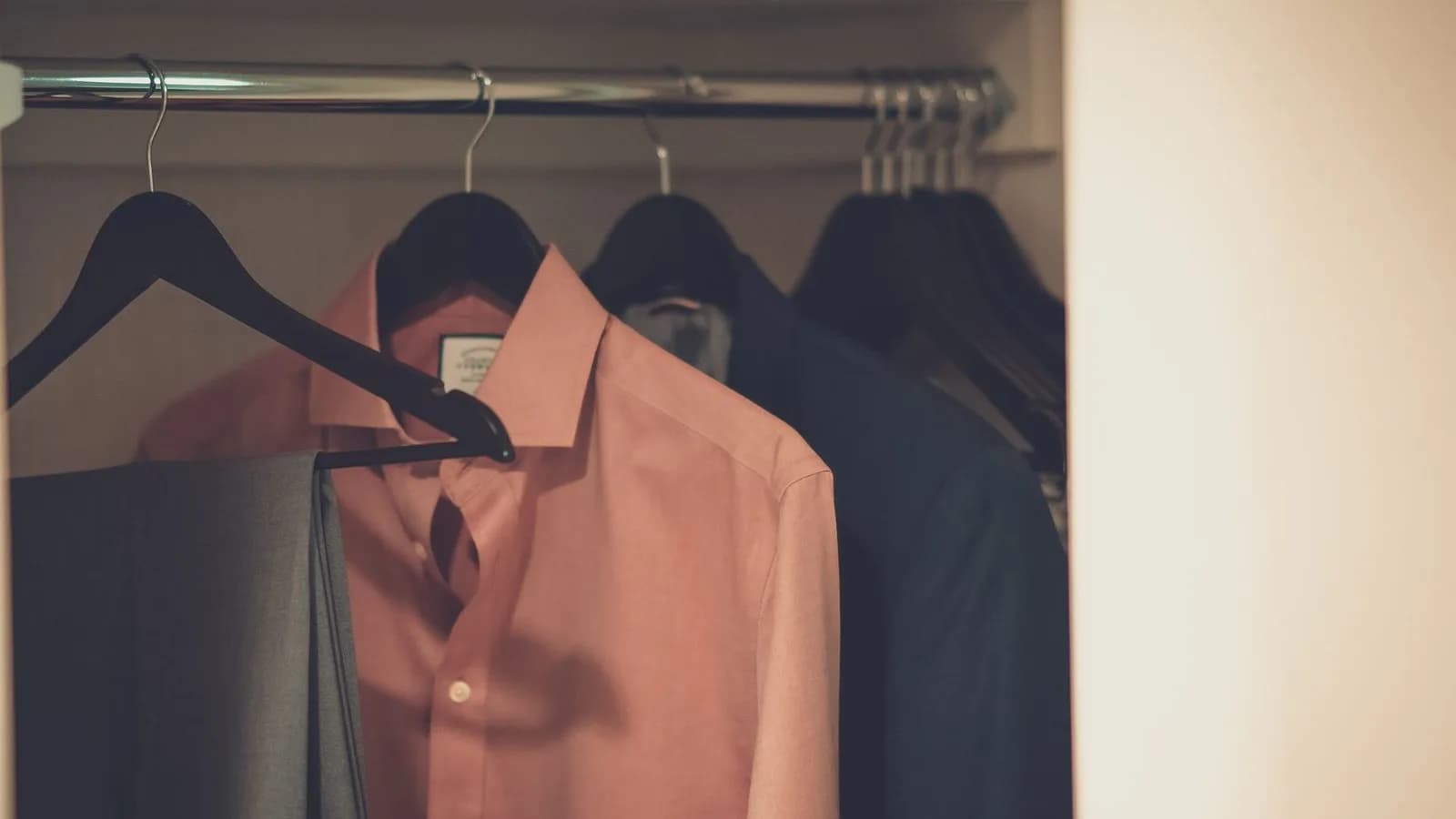
Suit Care 101: Keeping Your Suit Sharp
How to care for a suit between wears and when to book suit dry cleaning in Cardiff: frequency, storage tips, stain advice and professional pressing explained.
Share this article
Key takeaways
- Dry cleaning a suit too often is as damaging as neglecting it: every three to four months is right for regular wearers.
- Airing a suit for several hours after each wear and brushing it before hanging extends the interval between professional cleans significantly.
- Never rub a wet stain on a suit: blot the excess and bring it in for professional pre-treatment as soon as possible.
- Professional pressing returns the jacket lapels, shoulder line and trouser crease to their original shape in a way a home iron cannot.
- Suits can be combined with clothing alterations in one visit so a garment comes back fitted, cleaned and pressed together.
A good suit is one of the more worthwhile investments in your wardrobe, and it rewards the care you put into it. Whether you wear one for work every week or save it for presentations and special occasions, how you treat it between and after each wear determines how long it keeps its shape, colour and finish. Suit dry cleaning in Cardiff is part of that care, but only part of it.
This guide covers what your suit fabric means for cleaning, how often professional dry cleaning is actually needed, what to do on an everyday basis to extend the time between professional cleans, and what to expect when you bring a suit in for specialist treatment.
Know your suit fabric and its care label
Start by reading the care label inside the jacket. The fabric determines how the suit should be cleaned, stored and pressed. The international care labelling standard, GINETEX, specifies that a plain circle on the care label means dry clean only and a crossed circle means do not dry clean. Most suits fall into a few broad categories with different care requirements. Wool, the most common suiting fabric, is particularly vulnerable to water and heat, which cause shrinkage and permanent distortion of the interlining.
| Fabric | Cleaning method | What to avoid |
|---|---|---|
| Pure wool | Dry clean only | Water, high heat, tumble drying |
| Wool and polyester blend | Dry clean recommended | Warm water machine washing |
| Linen | Dry clean, or cool hand wash if the label allows | High heat and tumble drying |
| Cotton or cotton blend | Cool machine wash, check the label first | Hot wash cycles that cause shrinkage |
| Velvet, tweed or textured weave | Dry clean only | Water and rubbing against the pile |
How often should you dry clean a suit?
The most common mistake suit owners make is dry cleaning too often. Each professional cleaning cycle puts the suit through solvents and finishing processes that affect the fibres and the interlining cumulatively over many years. For someone wearing a suit two or three times a week, every three to four months is the appropriate interval. Occasional wearers who put a suit on only for specific events can manage with one or two professional cleans a year, plus a clean before any extended period in storage.
What you do between dry cleans has a greater effect on how the suit looks and lasts than the cleaning itself. Airing it properly after each wear, brushing away surface debris and addressing stains early all extend the interval between professional cleans. Dry cleaning should happen when the suit genuinely needs it, not according to a fixed schedule.
Clean when needed, not on a calendar
The Textile Services Association, the UK professional body for the laundry and dry cleaning industry, advises cleaning garments when visibly soiled or after extended wear rather than at fixed intervals. For most suit wearers that means two or three professional cleans a year.
Daily care between dry cleans
After every wear, hang the jacket and trousers on proper wooden or padded hangers in a well-ventilated area for several hours before returning them to the wardrobe. Body moisture absorbed during the day needs time to evaporate before the fabric is enclosed again. Returning a suit straight into a closed wardrobe traps moisture, encourages a stale smell and, over time, softens the interlining that gives the jacket its structure.
A soft-bristle clothes brush used before hanging removes the lint, dust and loose fibres that settle on fabric throughout the day. Brushing with the grain of the weave, from collar to hem on the jacket and from waist to hem on the trousers, keeps the surface fresh and prevents surface particles from working deeper into the cloth where they dull the finish.
Storing your suit correctly
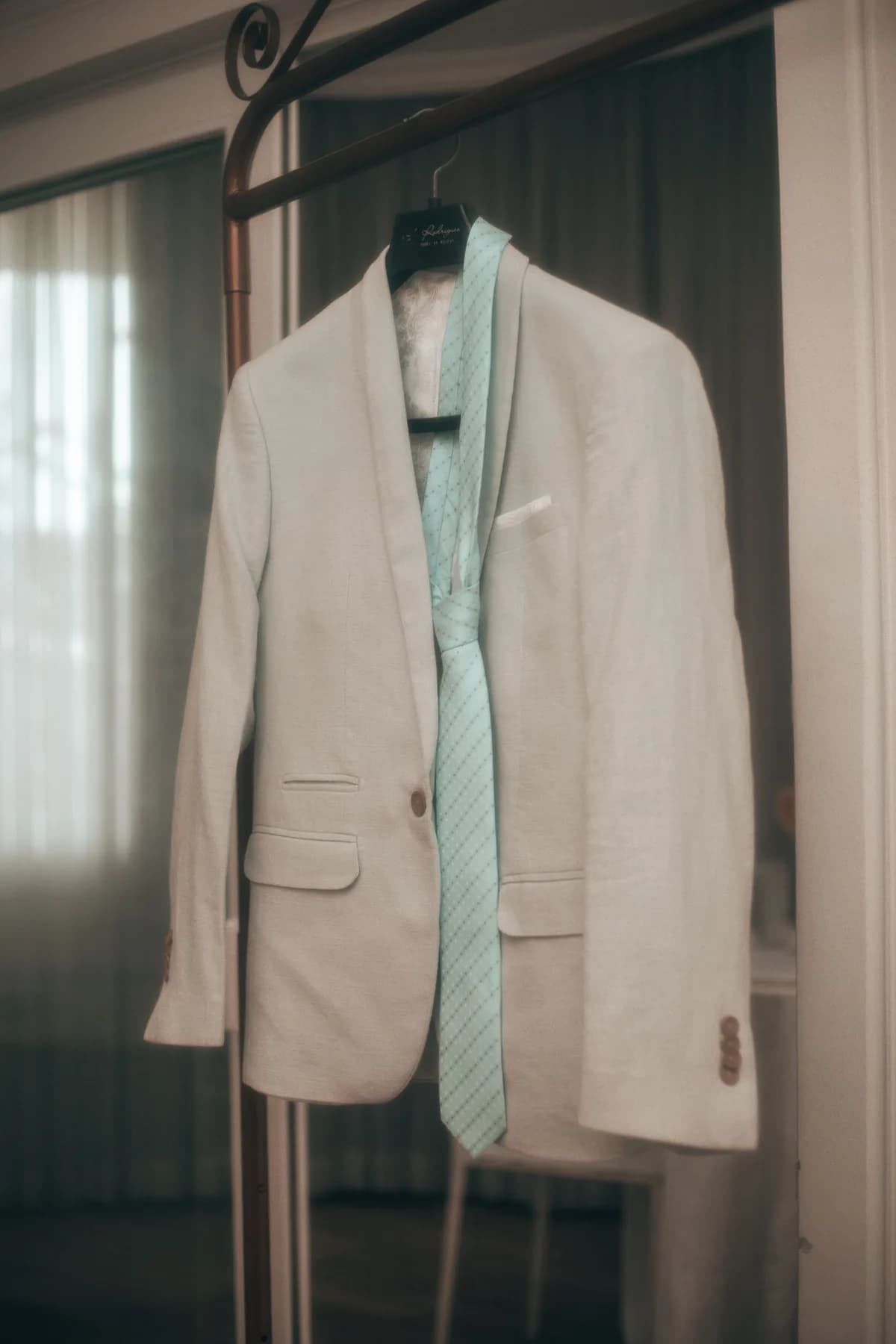
How and where you store a suit matters as much as how you clean it. A wide wooden or padded hanger matched to the jacket shoulder width prevents the shoulders from drooping or losing their shape. Trouser hangers that grip at the waistband or fold along the crease keep the leg line intact. Cedar blocks or sachets placed in the wardrobe deter moths, which are drawn to natural wool fibres and can cause serious damage in a wardrobe left undisturbed for a season.
- Use a wide wooden or padded hanger matched to the jacket shoulder width
- Never fold a suit jacket and leave it in a drawer for more than a day
- Store trousers on a bar hanger or folded neatly along the original crease
- Keep a cedar block or sachet in the wardrobe as moth deterrence and allow space between garments so air can circulate
- Use a breathable fabric suit bag for long-term storage rather than a sealed plastic dry-cleaning cover
What to do about stains on a suit
Fresh stains on a suit need a calm, measured response. The instinct to rub a mark with a damp cloth is almost always wrong: water leaves a ring on wool and rubbing pushes the stain deeper into the fibre. For a dry surface mark, leave it to dry completely and then brush it away gently with a soft clothes brush. For a wet stain, blot the excess liquid with a clean dry cloth, leave the fabric to dry and bring the suit in for professional treatment as soon as you can.
Avoid home stain sprays on suits
Household spray stain removers and even plain water can leave permanent rings or bleach marks on wool and structured fabrics. If you are unsure what to do, leave the stain and bring the suit in. Let us know what caused it and when it happened so we can choose the right pre-treatment.
Professional pressing and why it matters
A dry clean without professional pressing does not fully restore a suit. Pressing on specialist steam equipment returns the lapels to their correct roll, firms the shoulder line and removes the creases at the knees, elbows and back that form with regular wear. Home ironing on a suit, even with a cloth between the iron and the fabric, risks flattening the texture of the weave and leaving a shine on wool that is very difficult to remove.
Professional pressing at a Cardiff dry cleaner sets the trouser crease back, lifts any bagginess at the knees and makes the jacket hang cleanly again. The result is noticeably different from anything a home iron achieves and is one of the main reasons that professional suit dry cleaning in Cardiff delivers a better outcome than home washing or home pressing.
Approximate guide for regular wearers. Always clean before long-term storage, regardless of wear frequency.
Suit dry cleaning in Cardiff at Perfections
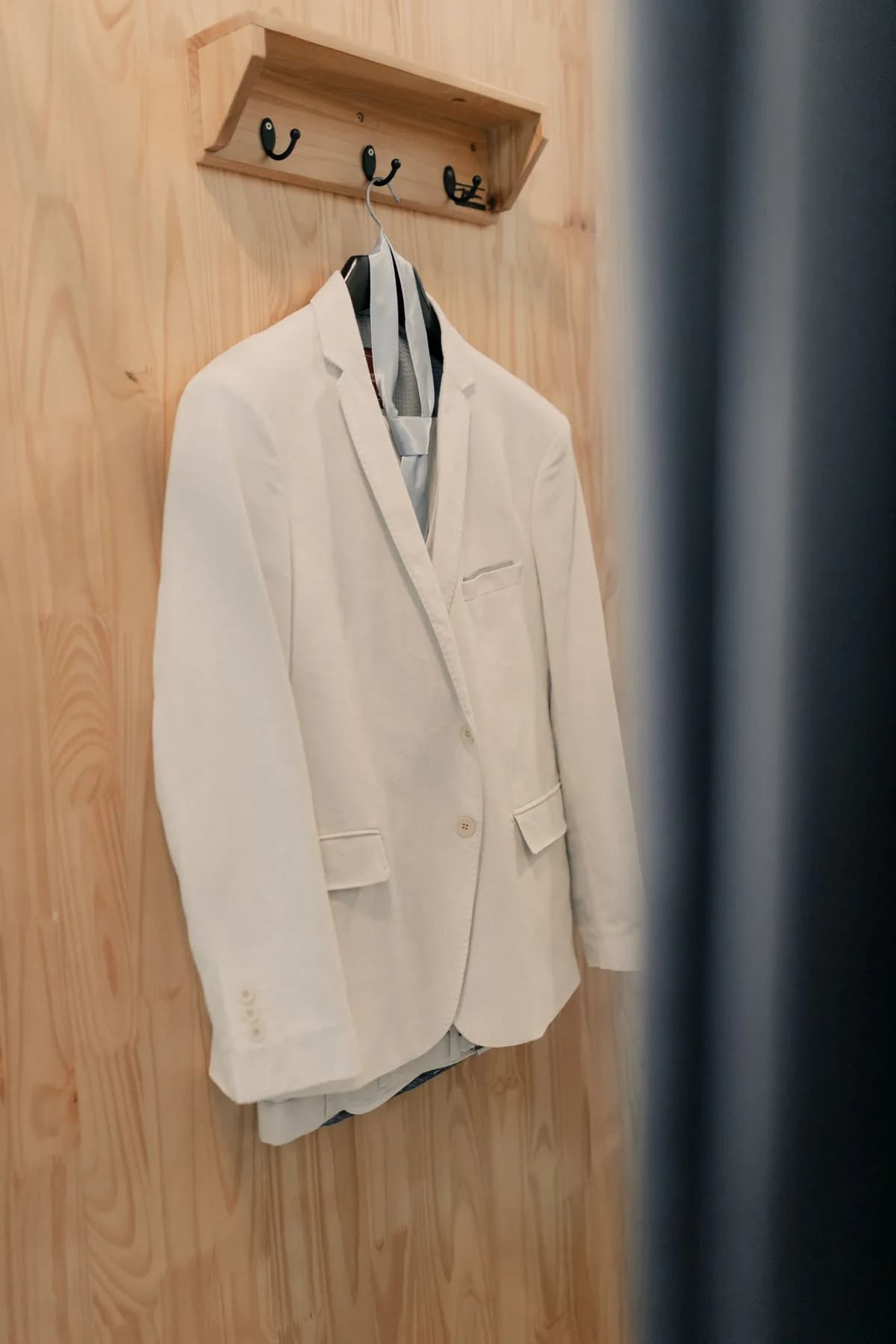
At Cardiff Perfections we inspect every suit by hand before any cleaning process begins. The fabric, lining and interlining are assessed, stains are identified and pre-treated with the appropriate solution for both the stain type and the fabric, and any concerns are discussed with you before any work starts. If a stain has been there for some time, we tell you in advance what outcome is realistic.
Our dry cleaning service in Cardiff covers the full range of tailoring from individual suit trousers to a complete three-piece. Suits can also be combined with clothing alterations in a single visit, so a garment that needs a hem or sleeve adjustment is fitted, cleaned and pressed together. You can book a collection online and we will pick up, clean and return everything to your door.
Frequently asked questions
How often should I dry clean a suit?
For regular wearers, every three to four months is the right interval. Occasional wearers can manage with one or two dry cleans a year. Always clean a suit before putting it into storage for a season: body oils and stains that are invisible when fresh can discolour wool over months in a wardrobe and become much harder to remove.
Can I machine wash a suit at home?
Almost never. Most suits, particularly those labelled dry clean only, should not go into a domestic washing machine. Water causes wool fibres to shrink and mat, and softens the structured interlining that keeps the jacket shape. Even a delicate cold cycle can permanently distort a tailored garment. If you are uncertain, check with a professional before attempting it.
What if I spill something on my suit?
Blot the excess liquid gently with a clean dry cloth, do not rub, and do not apply water or any household spray. Leave the fabric to dry naturally, then bring the suit in as soon as you can. Tell us what caused the stain when you drop it off so we can choose the right pre-treatment and improve the outcome.
Is pressing included in the dry cleaning service?
Yes. Professional pressing is part of every dry cleaning service at Cardiff Perfections. Every suit comes back with the jacket lapels, shoulder shape and body correctly pressed and the trousers with a clean crease, using equipment and methods suited to structured tailoring rather than a domestic iron.
Ready to bring your suit back to its best?
We collect from your Cardiff address, dry clean, press and return your tailoring to your door. Book a slot online.
Book a collectionKeep reading
All posts
Airbnb and Holiday-Let Laundry in Cardiff: A Host's Guide
Airbnb laundry in Cardiff, the linen every host washes between stays, tips for smooth turnarounds and why professional collection takes the pressure off hosts.
6 min read
Clothing Alterations in Cardiff: A Guide to the Perfect Fit
Your guide to clothing alterations in Cardiff: what is possible, which garments benefit most, and how the right fit transforms how you look and feel.
6 min read